Headache and Facial Pain Unit
Diagnosis and treatment of headaches and facial pain
The Headache and Facial Pain Unit of the Neurology Service of the Ruber Internacional Hospital specializes in the diagnosis and treatment of headaches and facial pain.
It is a multidisciplinary unit formed by a neurologist specialized in headaches and facial pain, a physiotherapist and a nurse.
The initial evaluation is performed by the neurologist, by means of a clinical history and an exhaustive neurological examination. In most cases, a diagnosis can be made with these data. Sometimes it is necessary to perform complementary tests, such as blood tests, high-resolution magnetic resonance imaging and/or vascular study (angio-CT, angio-resonance or arteriography), all of which are available at our hospital.
We have extensive experience in the diagnosis and treatment of primary headaches (e.g. migraine, tension headache, cluster headache), secondary headaches (e.g. headaches secondary to cervical disorders, post-traumatic headaches and others) and craniofacial neuralgia (e.g. trigeminal neuralgia, occipital neuralgia).
There is a close collaboration with related specialties in this type of disorders, such as maxillofacial surgery, otorhinolaryngology, ophthalmology, neurosurgery, clinical psychology, psychiatry and pain unit. If necessary, these specialists collaborate with us to help in the best resolution of each case.

After the diagnosis of each case, an individualized treatment plan will be designed, which may include:
- Oral pharmacological treatment
- Botulinum toxin injections
- Anesthetic pericranial nerve blocks
- Subcutaneous or intravenous treatments such as anti-CGRP antibodies
- Intravenous pharmacological treatment
- Physiotherapy with manual therapy and dry needling
- Cognitive-behavioral therapy
- Other therapies (e.g. radiosurgery, thermocoagulation)
Depending on the needs of each patient, care will be provided in outpatient clinics, in the day hospital in the case of outpatient intravenous treatments or by hospital admission.
The objective is to achieve a personalized treatment that allows pain relief, being able to recover a sense of wellbeing to be able to carry out normal activities normally.
Do you need a consultation? Would you like to receive more information?
Contact with us
Types of headaches
Why choose the Headache Unit at Hospital Ruber Internacional?
Our headache specialists

Dr. Elena Riva Amarante
Neurologist.
Headache and Facial Pain Unit Director
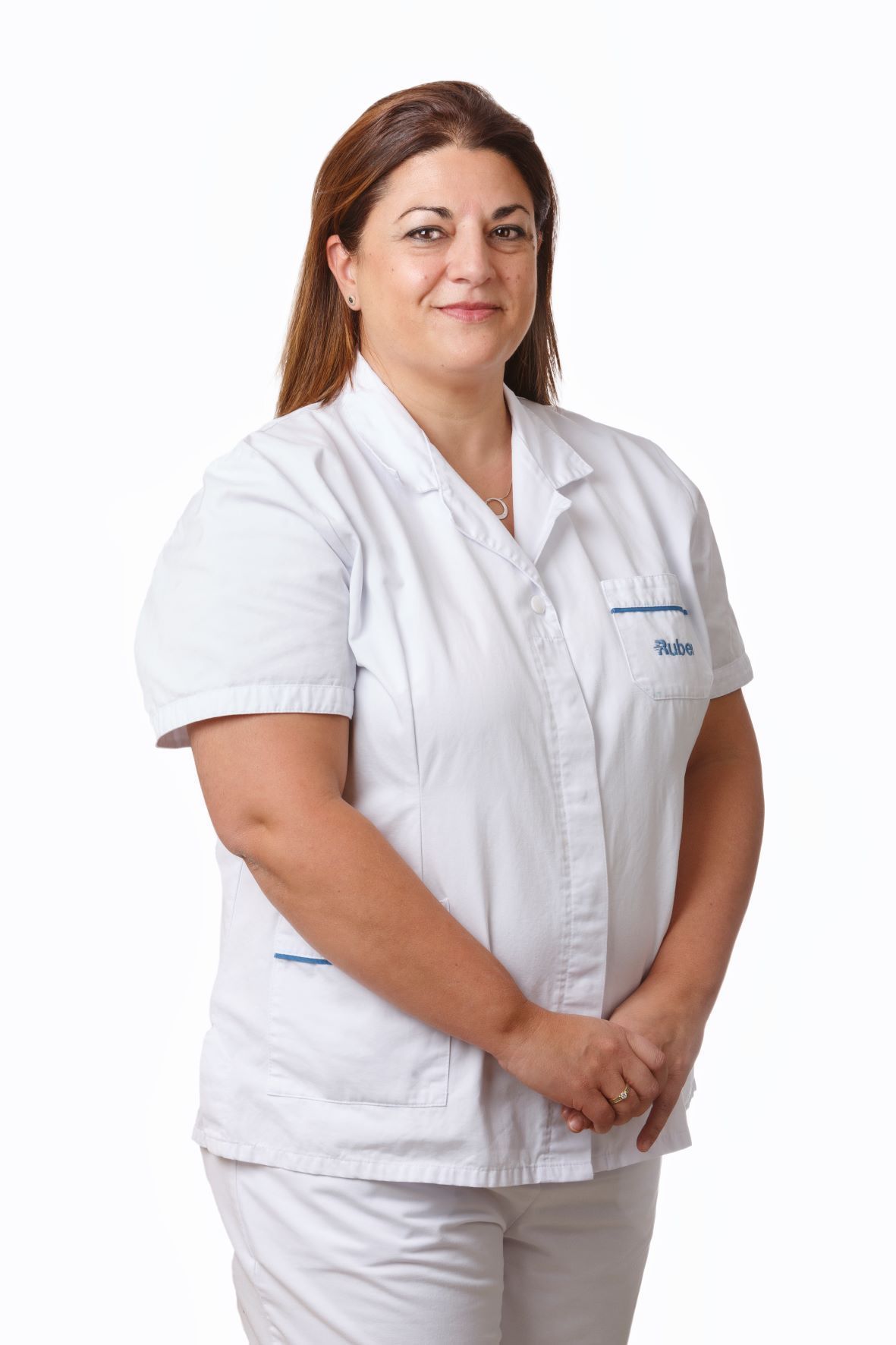
Petri Gómez Sánchez
Nurse

Pablo Martín Campano
Physical therapist.
Neuro-rehabilitation Unit
Frequently Asked Questions
Yes, the cervical spine can influence headache pain in some cases. Cervicogenic headache is a type of headache that originates in the cervical or neck region and may spread to the back of the head, temples or eyes. This may occur due to problems in the joints, muscles or nerves of the neck, such as muscle tension, cervical disc herniation or cervical nerve compression.
When the cervical spine is strained or structural problems occur in this area, they can cause pain that radiates into the head, which is referred to as cervicogenic headache. This type of headache is often described as a feeling of pressure or tension in the back of the head or at the base of the skull.
It is important to keep in mind that headaches can have multiple causes, and not all headaches are related to neck problems. If you experience frequent or persistent headaches, it is advisable to consult a physician for a proper diagnosis and a specific treatment plan.
No, migraine headaches and migraines are not the same thing, although they are often used interchangeably in colloquial language. However, in medical terms, they refer to different conditions.
Migraine headaches are a specific type of headache that is often recurrent and can be debilitating. They are characterized by throbbing or pulsating pain, usually on one side of the head, although both sides may be affected. Migraine headaches are often accompanied by symptoms such as nausea, vomiting, sensitivity to light and sound, and are often made worse by physical activity.
On the other hand, migraine is an older term that used to be used to describe any type of severe or persistent headache. Today, however, the term “migraine” is more accurately used to refer to this specific type of headache.
In summary, while migraines are a specific type of headache with distinctive characteristics, the word “migraine” used to have a broader and less specific meaning.
There are several recommendations that can help prevent headaches or reduce their frequency and intensity. Here are some suggestions:
Maintain a regular sleep routine: Getting enough sleep and having regular sleep schedules can help prevent headaches related to lack of sleep or changes in sleep patterns.
Manage stress: Relaxation and stress management can be helpful in preventing tension headaches and migraines. Techniques such as meditation, yoga, deep breathing and visualization can help reduce stress.
Maintain a balanced diet: Avoid skipping meals and be sure to maintain a balanced, healthy diet. Some people find it helpful to identify and avoid migraine trigger foods, such as alcohol, chocolate, aged cheeses and processed foods.
Stay hydrated: Drinking enough water throughout the day can help prevent headaches, especially if you tend to get dehydrated easily.
Maintain proper posture: Avoid maintaining awkward postures for prolonged periods of time and ensure proper ergonomics in your workplace to prevent cervical headaches.
Exercise regularly: Regular exercise can help reduce the frequency and intensity of headaches, although it is important to avoid intense exercise during an acute headache.
Limit exposure to environmental triggers: Avoid exposure to bright lights, loud noises and intense odors if they are known triggers of your headaches.
Consult a health care professional: If you experience frequent or severe headaches, it is important to consult a physician for a proper diagnosis and a treatment plan specific to your situation.
These recommendations may be helpful for many people, but it is important to remember that each person is unique, and what works for one person may not work for another. It is important to find individual strategies that work best for you in consultation with a health professional.
Our regular opening hours are Monday to Friday, from 8:00 am to 9:00 pm. However, for neurological emergencies outside these hours, you can contact us through the reception of the Ruber International Hospital.
In addition, we have a neurologist on call 24 hours a day, 365 days a year to attend to any neurological emergency that may arise.
Contact with us
Do you have any doubts? Do you want to book an appointment? Do not hesitate to contact us through this form.