On the occasion of World Stroke Day, which will take place on October 29, 2009, the Dr. Elena Riva gives us some guidelines to be able to recognize which are the alarm symptoms of a possible stroke.
Stroke is the leading cause of death in women, the second leading cause of death globally, and the leading cause of physical disability in adults. This disease is more frequent afterthe age of 55 and its risk increases with age and the presence of risk factors such as arterial hypertension, cardiac arrhythmias or other heart diseases, diabetes mellitus, dyslipidemia, obesity, sedentary lifestyle, smoking and excessive alcohol consumption, among others.
Currently there are treatments capable of reducing the sequelae secondary to a stroke, the effectiveness of which depends on the speed with which the person goes to a hospital and is attended by a neurologist. It is estimated that almost one third of stroke patients could save their lives or be spared serious disability if they were treated quickly in the specific units for this neurological disease.
Since stroke is a medical emergency, it is important that the patient and the people around him/her recognize the “warning signs” that indicate that a person is having a stroke.
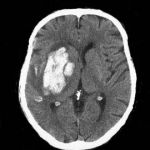
Hemorrhagic stroke
These symptoms are:
- Loss of strength of the face, arm and/or leg on one side of the body, of abrupt onset.
- Alteration of sensation, sensation of “tightening or tingling” of the face, arm and/or leg on one side of the body, of sudden onset.
- Sudden loss of vision, partial or total, in one or both eyes.
- Sudden alteration of speech or difficulty in expressing oneself.
- Headache of sudden onset, of unusual intensity and without apparent cause.
- Sensation of intense vertigo, instability, imbalance or sudden unexplained falls, if accompanied by any of the symptoms described above.

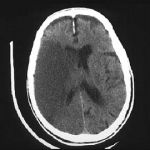
Ischemic stroke
These symptoms are sometimes downplayed when they subside spontaneously within hours or minutes (transient ischemic attack or TIA). However, TIA is a “warning” of a high risk of suffering a stroke in the following days (10% of patients with a TIA suffer a stroke during the following 4 weeks).
RECOMMENDATIONS:
In the presence of alarm symptoms emergency services should be called to be transferred as soon as possible to a hospital where the person can receive urgent neurological care.