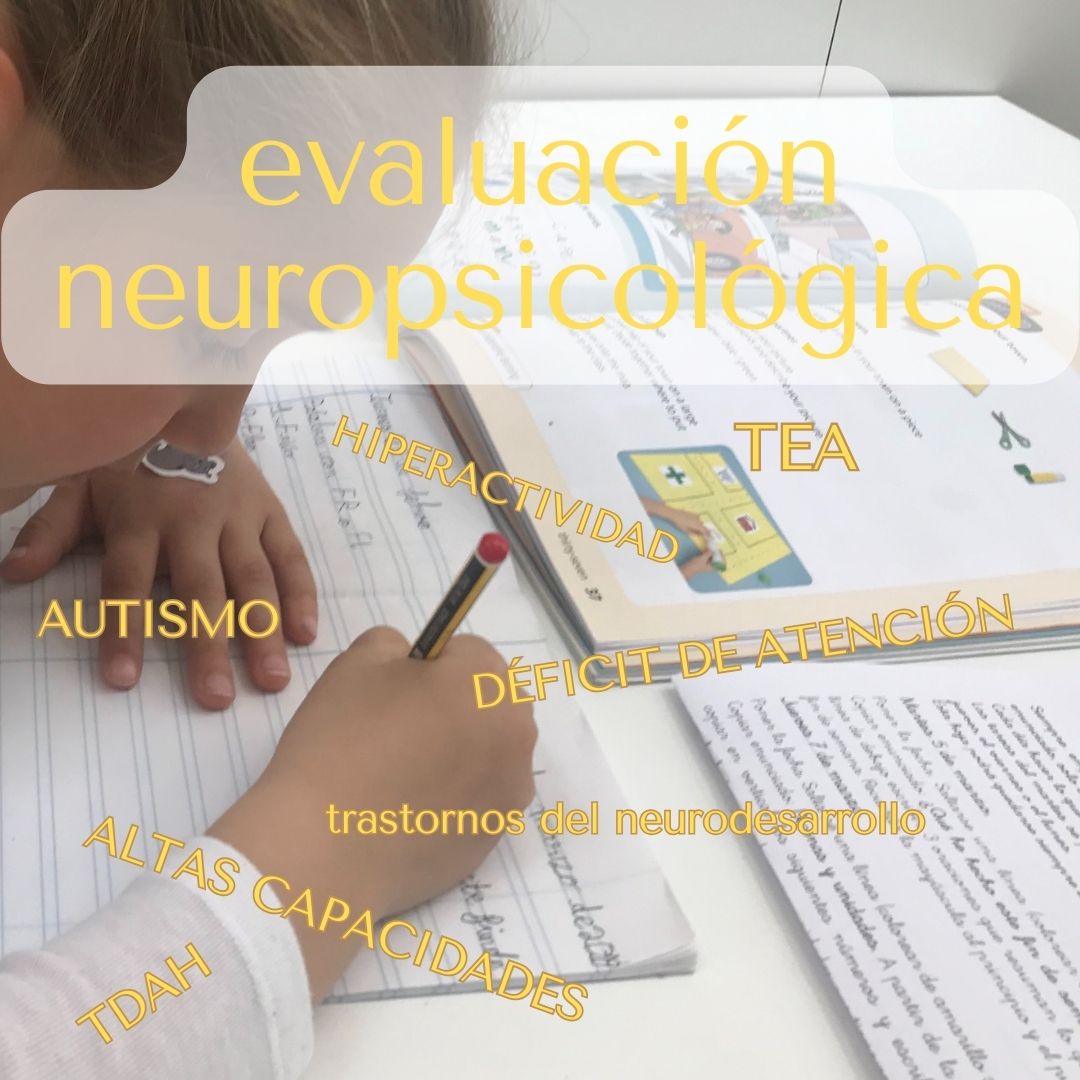
Neuropsychological evaluations can effectively detect various neurodevelopmental disorders.
(Madrid. Lucila Rodríguez)
Neuropsychological evaluations, a procedure that involves standardized psychometric tests such as batteries, virtual reality and environmental questionnaires based on scientific evidence, allow the detection and effective treatment of various neurodevelopmental disorders such as, for example, attention-deficit/hyperactivity disorder (ADHD), attention deficit hyperactivity disorder (ADHD) and attention deficit hyperactivity disorder (ADHD). Attention Deficit Hyperactivity Disorder (ADHD)autism spectrum disorder (ASD) or high abilities, among others.
This is according to Dr. Irene Pascual Zapatero, a neuropsychologist at the Child Neurology Unit of the Neurology Service of the Ruber International Hospital in Madrid, where, since 1999, this type of evaluations have been carried out, and where demand has increased in recent years.
In this procedure, information is analyzed in a comprehensive manner to determine the cognitive and socioemotional profile of the patient and, in this way, provide data on cognitive abilities that are not accessible through other techniques such as MRI or VEEG, as well as to provide the best personalized care through a multidisciplinary team.
“In the child population, the most frequent consultations are usually linked to difficulties identified in the school, personal, family and social environments. All of them can present individually, comorbid or associated with previous medical conditions such as, for example, epilepsy or neurological syndromes, so a correct diagnosis is the first step to stimulate and work on the deficit”, explains Dr. Pascual Zapatero.
Some of the symptoms for which a neuropsychological evaluation is indicated are:
- Loss of objects, school clothes, homework forgotten at home or ignorance of due dates or content for an exam.
- Tasks that remain unfinished.
- Difficulty waiting for turns and need for immediate rewards.
- Tantrums, sudden outbursts and emotional dysregulation.
- Lack of understanding of jokes, ironies or idiomatic expressions.
- Literal approach to information processing.
- Challenges in social interaction.
- Problems in conjugation or speech organization.
- Restricted and highly specific interests.
- Stereotyped behaviors with a fixed pattern that often affect daily routine.
- Difficulties in adapting to changes.
“It is important to perform a complete neuropsychological evaluation, which is not redundant, to assess the different processes, but without the need to fatigue the patient. Thanks to the information obtained in the initial interviews, the evaluations are directed to the deficit detected, so that after performing the screening tests that give us a general picture of the cognitive profile, the data are expanded depending on each case,” explains the neuropsychologist.
Once the patient’s cognitive profile and diagnosis have been identified, neuropsychological intervention is usually initiated, focused on stimulating the most deficient processes, acquiring strategies and compensating for deficits, with an individualized and specific approach.

Irene Pascual Zapatero
Neuropsychologist