
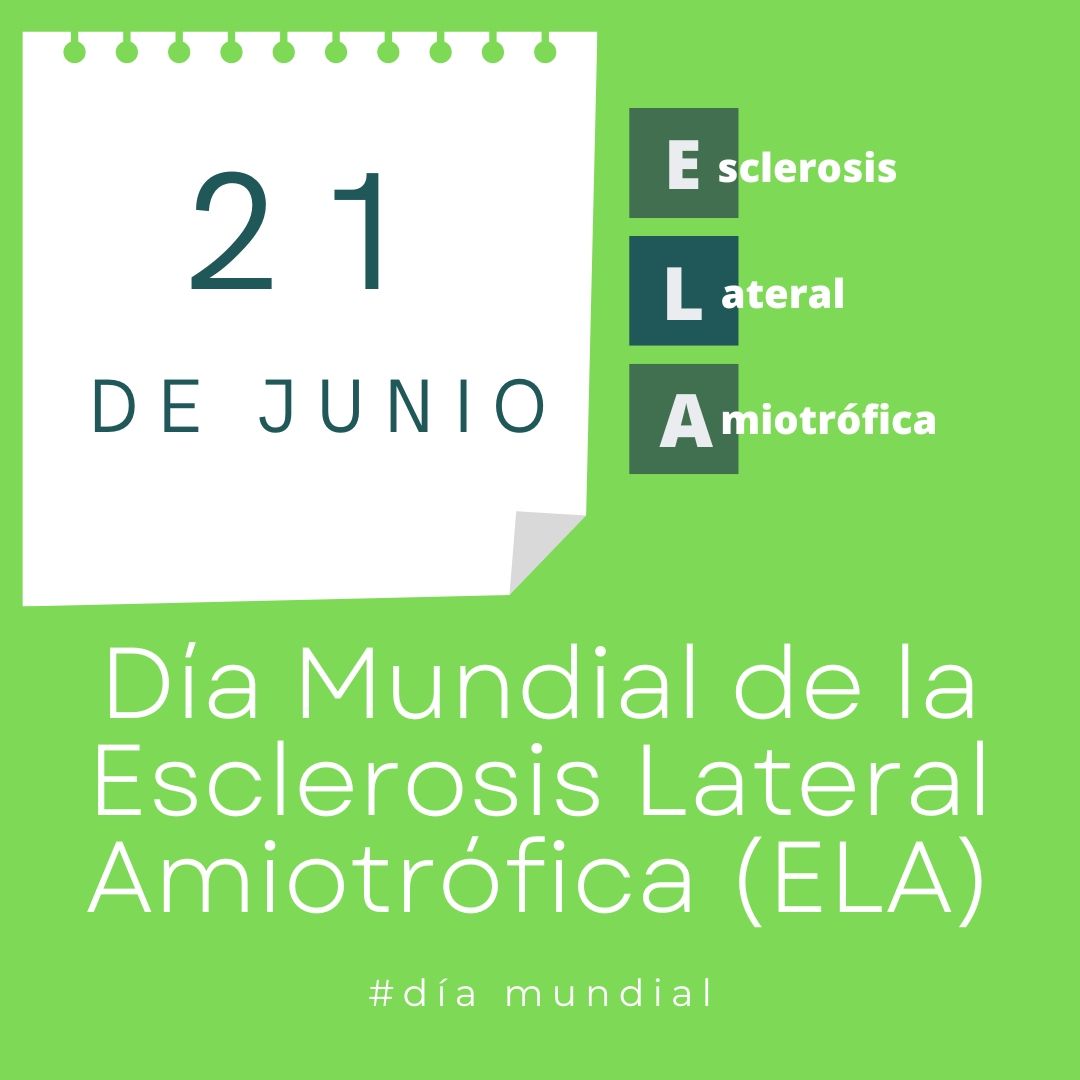
Only 15% of ALS cases are hereditary World ALS Day
(Madrid. Lucila Rodríguez)
Only 15% of cases of amyotrophic lateral sclerosis (ALS) have an associated genetic variant, according to Dr. Jesús Esteban Pérez, a neurologist specializing in neuromuscular diseases from the Clinical Neurology Service of the Ruber International Hospital, on the occasion of World ALS Day.
It is a neurodegenerative disease that affects about two cases per 100,000 inhabitants and it is estimated that in Spain alone about three patients a day are detected, which means about 1,000 a year. However, it sometimes takes up to a year to be diagnosed due, among other reasons, to the lack of a laboratory test to confirm the disease.
“Unfortunately, we do not have a laboratory test to confirm the disease. The most relevant data in the diagnosis is the way the disease starts and progresses and the findings in the neurological examination,” the neurologist explains.
However, Dr. Esteban Perez stresses the importance of EMG study to confirm the presence of signs of lower motor neuron involvement and its extent, as well as the normality of other parameters of sensory function and motor nerve conduction.
In addition, biomarkers that can help in both diagnosis and prognosis and, most probably, in monitoring the response to treatment are beginning to be known, which can help medical professionals to confirm early on whether the measures implemented are modifying the pace of the disease.
The future in the approach to ALS is, therefore, hopeful if one also takes into account that both in the United States and in Europe there are many clinical trials underway in which they are analyzing whether there are treatments that are really effective for the disease.
“The mechanisms and genes involved in genetic cases (which include a small percentage of people with ALS with no family history) are better understood, and new treatments are also being developed for these causes. There is even one pending approval in Europe aimed at SOD1 mutations, and there are several trials aimed at patients with FUS and c9orf72 mutations,” argues Dr. Esteban Pérez.